


Resources
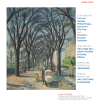
Trusts & Estates Latest Issue

Subscribe to Trusts & Estates Premium Content
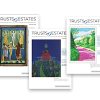
Trusts and Estates Digital Edition Archive

About Trusts & Estates
All access premium subscription
Please Log in if you are currently a Trusts & Estates subscriber.
If you are interested in becoming a subscriber with unlimited article access, please select Subscription Options below.
Questions about your account or how to access content?
Contact: [email protected]
0 comments
Hide comments